Using community-based aquaculture to restore an iconic species, strengthen food security and build sustainable livelihoods
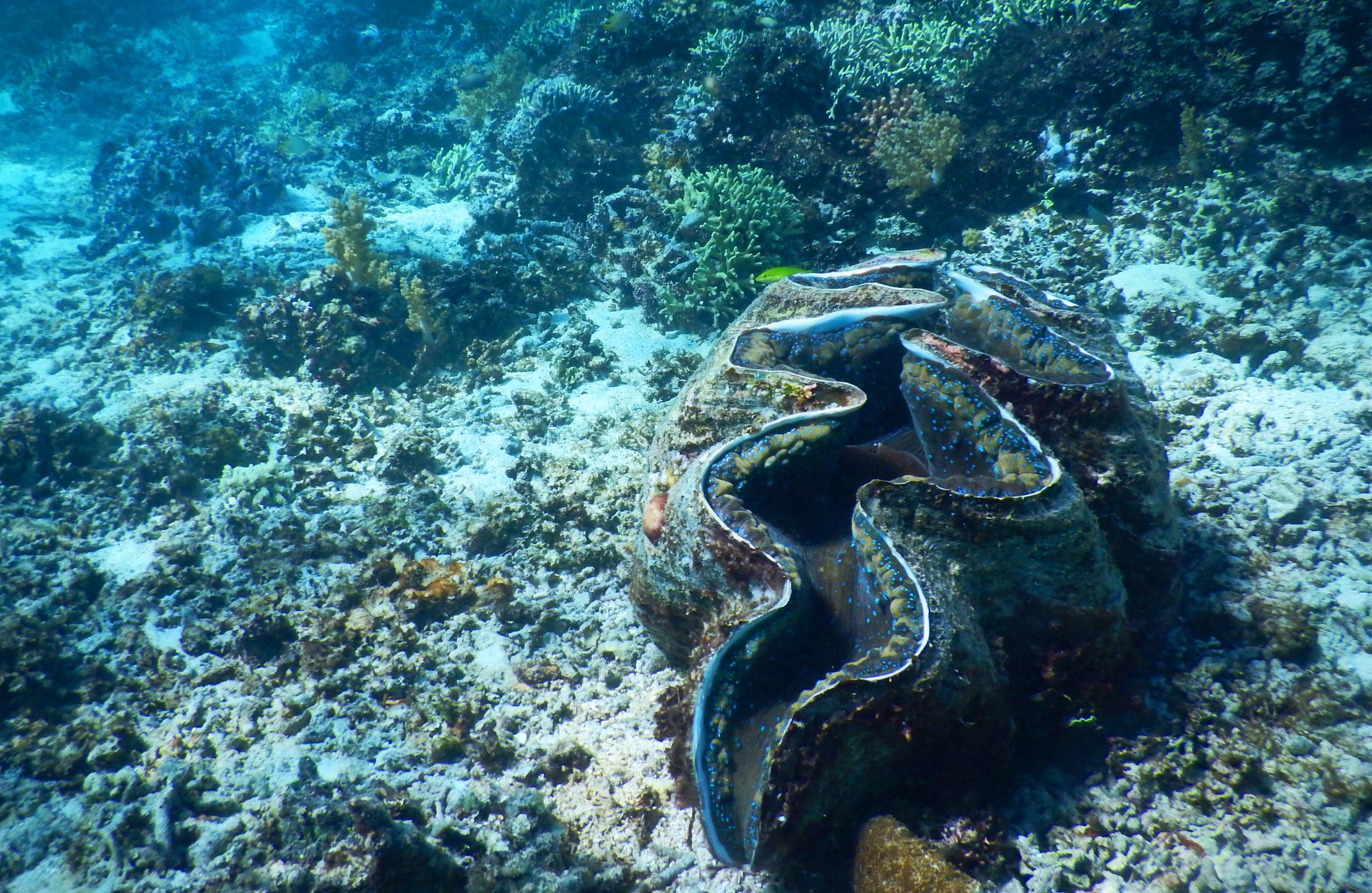
Palau is home to eight of the world’s 12 giant clam species. These iconic animals are deeply connected to Palauan culture, traditional food systems and healthy coral reef ecosystems—filtering seawater, supporting biodiversity and providing habitat for other marine life.
With decades of leadership in giant clam aquaculture, Palau has an opportunity to build on this legacy by developing a sustainable giant clam sector that supports communities, strengthens food security and helps restore one of the Pacific’s most treasured marine species.
From reef harvesting to community-based aquaculture
For generations, Palauan communities have harvested giant clams from coral reefs as an important source of food and cultural connection. However, increasing demand, wild harvesting pressures and climate impacts are placing stress on wild populations.
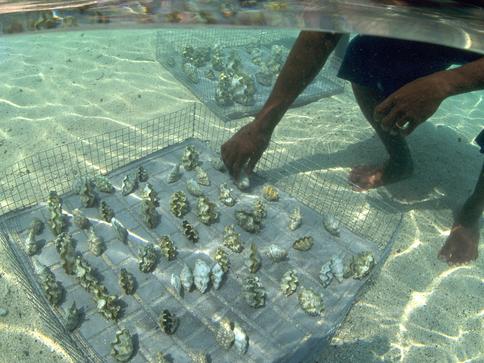
Conservation International with the Palau Aquaculture Alliance and Watson & Sons Aquaculture Palau are supporting community-based aquaculture as a way to reduce pressure on wild giant clams while creating new opportunities for sustainable livelihoods. By strengthening hatchery capacity, supporting community farmers and improving access to markets, the programme aims to create a more resilient giant clam sector that benefits both people and nature.
Aquaculture provides an alternative pathway—helping meet demand, supporting local incomes and enabling the restoration of wild populations through reseeding efforts.
Supporting communities and food security
Giant clams are more than a marine resource—they are part of Palau’s culture, traditions and food systems. For generations, Palauan families have relied on the reefs for food, with women often gleaning for giant clams in shallow waters while families fish nearby. These practices are an important part of community life, connecting generations through traditional knowledge and care for the ocean.
Community-based aquaculture provides a pathway for Palauans to continue benefiting from this culturally important species while supporting the recovery of wild populations.
Conservation International is working with partners to strengthen the giant clam value chain, including improving hatchery and farming capacity and creating sustainable livelihood opportunities, particularly for women who have traditionally played a key role in harvesting giant clams.
By supporting communities to transition from harvesting wild clams to farming them sustainably, the programme aims to strengthen food security, support local incomes and contribute to healthier reefs.
Building a sustainable giant clam industry
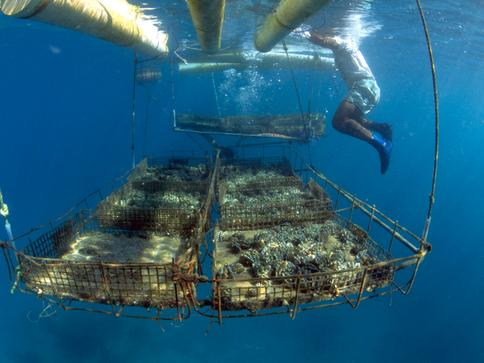
Palau’s long history of giant clam aquaculture provides a strong foundation for a future sustainable industry.
A thriving giant clam sector could create new opportunities for coastal communities, including traditional harvesters facing declining wild availability. By shifting some demand from wild harvest to farmed production, aquaculture can support the recovery of natural populations while maintaining the cultural and economic benefits of this species.
There is also potential to expand into emerging markets, including sustainable tourism and ornamental aquaculture, where demand for giant clam species remains high. Strengthening hatchery production, improving market access and addressing regulatory pathways will be important steps in unlocking this potential.
A sustainable giant clam industry in Palau could help restore populations across the Indo-Pacific while contributing to a thriving blue economy.
Science informing sustainable management
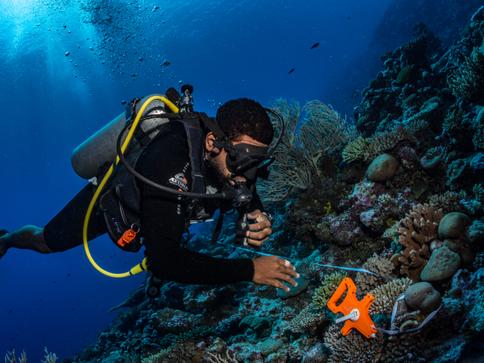
Understanding how giant clams are harvested, traded and farmed is essential to ensuring their long-term sustainability.
Conservation International supports research to guide future investment and management of Palau’s giant clam sector. A recent value chain analysis, involving harvesters, farmers, exporters, restaurants and government agencies, identified opportunities to strengthen infrastructure, improve seed supply and support farmers to participate in sustainable markets.
These insights are helping shape approaches that protect wild giant clam populations while maintaining the cultural and economic benefits they provide.
A shared vision for healthier reefs
Conservation International believes aquaculture can be more than a way to produce food—it can be a tool for conservation.
By working alongside Palauan communities, government agencies and local partners, we are helping build a future where giant clam farming supports reef restoration, strengthens food security, creates sustainable livelihoods and contributes to a thriving blue economy.
Together, we are demonstrating that aquaculture doesn’t have to take from nature—it can help restore it.